
Protecting the Injured Brain
Encephalopathy is a broad clinical term for brain disfunction caused by an insult that disrupts normal neurological function. In the context of Ardram's neurological programme, we address two primary presentations:
Hypoxic-Ischaemic Encephalopathy (HIE): Brain injury caused by inadequate oxygen or blood supply — most commonly occurring at or around birth in neonates (birth asphyxia), or in adults following cardiac arrest, respiratory failure, or prolonged hypoxic events.
Acquired Encephalopathy: Brain dysfunction arising from traumatic brain injury, metabolic disturbance, infection (encephalitis), or inflammatory insult — resulting in disrupted consciousness, cognition, motor function, or seizure activity.
The degree of injury spans a wide spectrum. Mild encephalopathy may manifest as altered alertness or feeding difficulties in neonates; severe cases involve significant motor impairment, epileptic encephalopathy, and impaired cognitivedevelopment. Outcomes depend critically on the extent of initial brain injury, the regions affected, and the speed and quality of subsequent neuro protective intervention.

Encephalopathy & Brain
Injury
Whether caused by oxygen deprivation at birth or trauma later in life, the result is often a cascade of cellular damage. Our clinical objective is to intervene in this cascade, promoting cellular stability and fostering a more favorable environment for neuro-regeneration and functional rehabilitation.
membrane instability, and impaired connectivity. By modulating specific biological
pathways, it creates a conducive environment for recovery.
Neural Progenitor Activation
Patients often show improvements in muscle tone, coordination, and voluntary motor control as synaptic pathways stabilize.
Many caregivers report a decrease in seizure frequency or intensity as cellular electrical stability is restored in the brain.
Enhancements in alertness, communication, and cognitive engagement, supporting overall developmental milestones in pediatric cases.

Everything You Need to Know—Upfront

Cytotron is a non-invasive regenerativetechnology that uses RFQMR-FRB electromagnetic therapy to modulate cellularsignalling in damaged brain tissue. It is designed to support neuroprotection,reduce excitotoxic stress, promote neural circuit repair, and complementexisting medical management for hypoxic-ischaemic and acquired encephalopathy.
Yes. RFQMR-FRB therapy targets the core mechanisms of secondary brain injury in HIE — excitotoxicity, mitochondrial failure, apoptosis, and impaired vascular perfusion. Therapy is considered in both the subacute phase and longer-term rehabilitation, following initial medical stabilisation. Eligibility is determined through clinical assessment and MRI review.
Cytotron is non-surgical, painless, and does notinvolve radiation, injections, or anaesthesia. Paediatric patients may undergotreatment with a parent or carer present throughout each session. Beforetreatment is confirmed, every patient undergoes a structured clinicalassessment by Ardram’s medical team covering medical history, neuroimaging,implants and devices (including VP shunts, cochlear implants, and cardiachardware), active medical conditions, and a systematic review ofcontraindications. Presence of an implant does not automatically excludetreatment, but must be disclosed and formally assessed. Eligibility is notassumed — it is determined by the clinical team.
In patients with epileptic encephalopathy or drug-resistant seizures secondary to brain injury, RFQMR-FRB therapy aims to normalise the transmembrane potential environment that sustains cortical hyperexcitability. Cytotron is used as a complementary modality alongside existing anti-epileptic medication — it does not require medication to be reduced or withdrawn. Response is monitored through EEG and clinical outcome measures.
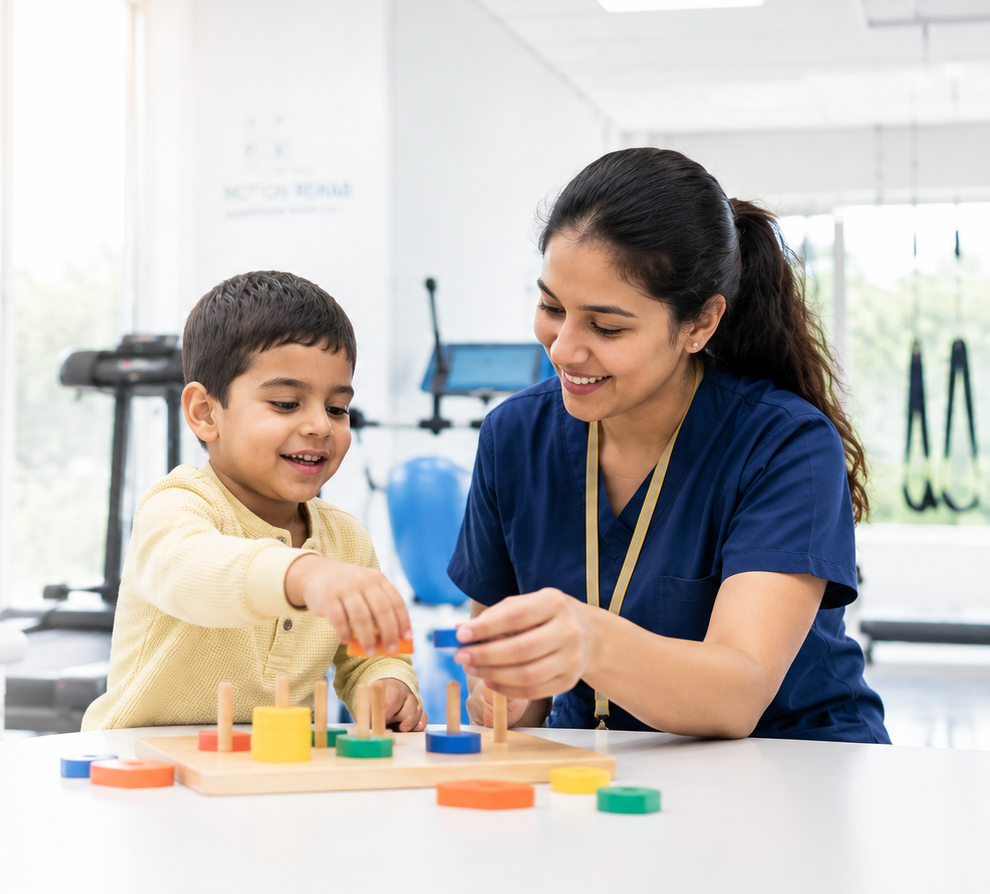
Yes. Cytotron is routinely integrated with physiotherapy, occupational therapy, speech and language therapy, and cognitive rehabilitation. The regenerative effects of RFQMR-FRB may enhance the brain's responsiveness to conventional rehabilitation, supporting greater functional gains when both approaches are used together.The number of sessions varies depending on the child’s condition, age, severity of symptoms, and rehabilitation goals after medical evaluation.
Initial clinical assessments can typically be arranged within a few days of enquiry, including remote video consultation for international or out-of-station patients. The assessment covers medical history, neuroimaging,
contraindication screening, and current clinical context. A treatment slot is confirmed only after the clinical team has completed the assessment and
determined suitability. Contact us at care@ardram.com or via the Enquire form to begin the process.