

Empowering Young Lives
What Cytotron Addresses in CP
RFQMR-FRB therapy stimulates neural progenitor cells and promotes regeneration of neural pathways in the brain. Clinical observations have shown improvements in motor function, reduced spasticity, and greater voluntary movement control. The therapy works by modulating cellular protein pathways to support the brain’s inherent regenerative mechanisms.
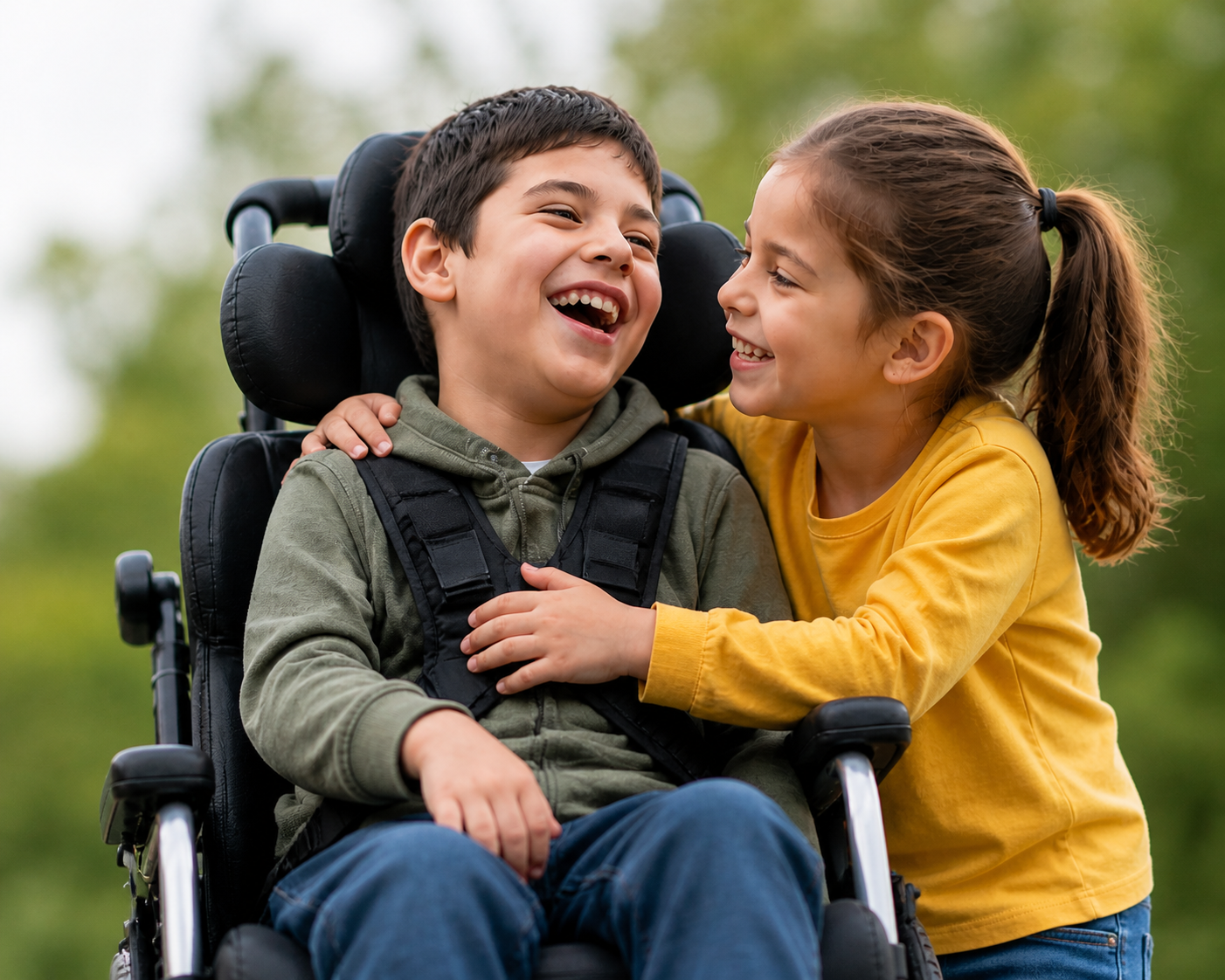
Improvement varies by patient. Families have reported increased head control, improved ability to sit and stand, reduced involuntary movements, better coordination, and enhanced speech and swallowing function. Progress is typically assessed over a 6–12 month period following treatment, as the regenerative effects continue beyond the 28-day cycle.

Management

Coordination
Tissue Stimulation
Everything You Need to Know—Upfront

Cytotron is a non-invasive regenerative technology designed to support neurological function and improve rehabilitation outcomes in individuals with Cerebral Palsy.
Cytotron may help support improvements in muscle control, movement, balance, coordination, posture, and overall motor function when combined with rehabilitation therapies.
Yes. Cytotron is non-surgical, painless, and does not involve injections or anesthesia, making it a comfortable treatment option under medical supervision.
Yes. Cytotron is commonly integrated with physiotherapy, occupational therapy, speech therapy, and rehabilitation programs for a more comprehensive approach.
The number of sessions varies depending on the child’s condition, age, severity of symptoms, and rehabilitation goals after medical evaluation.
Appointments can often be booked within days, with options for in-person or telehealth visits to suit your schedule.